
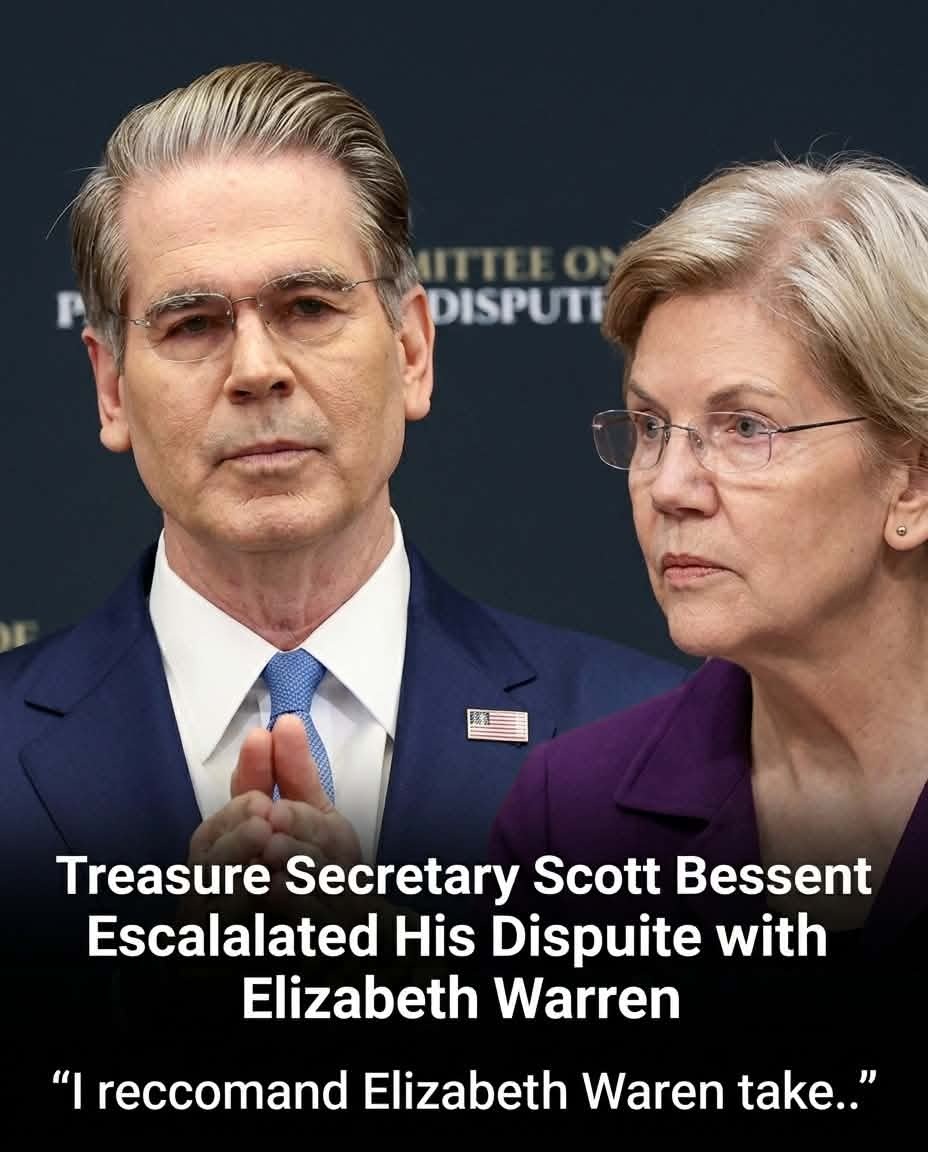
Treasury Secretary Scott Bessent has intensified his public clash with Senator Elizabeth Warren over the administration’s recent foreign-exchange actions. The dispute centers on the Treasury Department’s use of the Exchange Stabilization Fund to purchase Japanese yen after the currency fell to multi-decade lows. Bessent took to social media to sharply criticize Warren’s understanding of the transaction and the broader mechanics of currency markets.
In his post, Bessent accused the senator of a fundamental misunderstanding of how currency operations function. He argued that Warren had incorrectly framed a straightforward currency purchase as if it were a swap arrangement or a loan that Japan would later need to repay. According to Bessent, no credit was extended to Japan, no new congressional funding was required, and Japan owes the Treasury nothing as a result of the intervention.
The secretary challenged Warren to educate herself on the distinction before sending any further correspondence to the Treasury. He suggested that both she and her staff would benefit from basic instruction in international finance, framing her letter as evidence of limited knowledge of foreign-exchange markets. Bessent also criticized media coverage for failing to highlight what he described as a remedial error in her analysis.
Warren had previously written to Bessent seeking greater transparency and justification for the yen purchases. She raised questions about the potential costs to American taxpayers and the lack of detailed public disclosure regarding the size and terms of the intervention. Her letter reflected ongoing Democratic scrutiny of the administration’s currency policies and use of the Exchange Stabilization Fund.
Bessent’s response and subsequent social media comments defended the operation as a necessary step to support orderly markets. He maintained that a disorderly decline in the yen could have broader spillover effects, including potential upward pressure on U.S. borrowing costs given Japan’s large holdings of American Treasuries. The intervention, he said, involved exchanging existing foreign-currency assets already held in the fund rather than creating any form of debt obligation.
The exchange marks a further escalation in the tense relationship between the Treasury secretary and the ranking Democrat on the Senate Banking Committee. It underscores deeper differences over the appropriate role of U.S. intervention in foreign-exchange markets and the level of transparency required when taxpayer-linked resources are deployed. Both sides appear prepared to continue pressing their respective positions in the weeks ahead.