

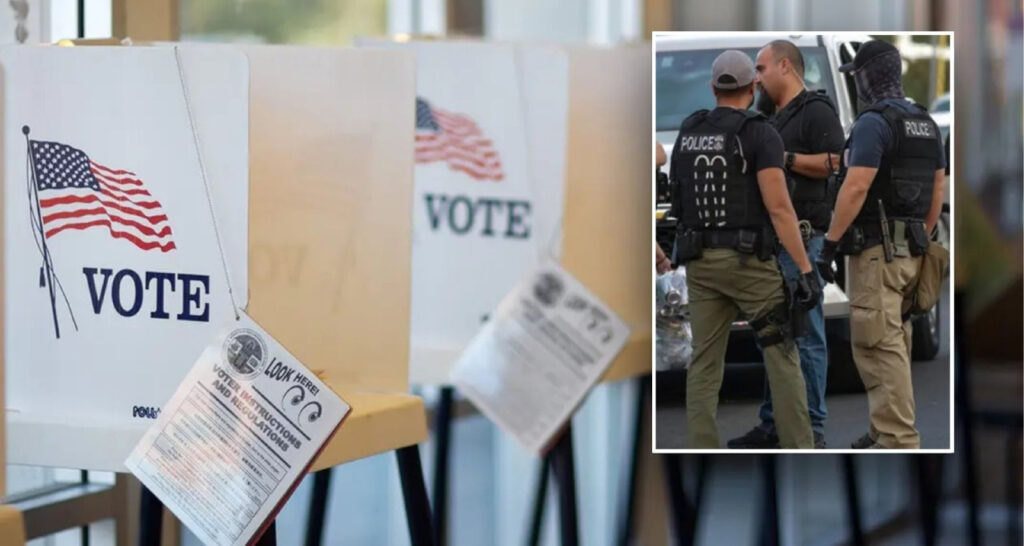
Early voting is underway in Ohio, with election officials expecting stronger participation than last year. Wood County Board of Elections Director Terry Burton said turnout may not reach presidential-election levels but could exceed the previous year. Officials will have a clearer picture of participation once the election period is complete.
Attention is also turning to early voting trends in Florida, particularly returned mail ballots. Data shared Tuesday shows Democrats representing 43.3% of returned mail ballots, compared with 35.6% for Republicans and 21.1% for independent voters. The figures indicate that Democrats currently have the largest share of returned ballots.
Compared with the figures cited for 2024, the Democratic share has increased by 1.7 percentage points, while the Republican share has risen by 1.1 points. Meanwhile, the independent share has declined by 2.8 percentage points. Based on those figures, the Democratic lead over Republicans has increased from 7.1 percentage points in the 2024 comparison to 7.7 points in the current data.
However, the percentages alone do not show how many ballots have actually been returned. Without the underlying ballot totals and the date the figures were collected, it is difficult to determine whether either party has received more returned ballots than at a comparable point in 2024. The timing of ballot returns can also change as Election Day approaches.
The data also reflects voter registration categories rather than candidate preferences. A registered Democrat may vote for a Republican candidate, while a registered Republican may support a Democrat. Independent voters can also support candidates from either party, meaning the figures cannot be used to determine which party is leading an election.
For now, the numbers provide a snapshot of the composition of returned mail ballots rather than a prediction of the final result. Democrats account for the largest reported share at 43.3%, followed by Republicans at 35.6% and independents at 21.1%. More complete ballot totals, collection dates and comparable historical data will be needed to assess whether these early patterns develop into a broader electoral trend.