
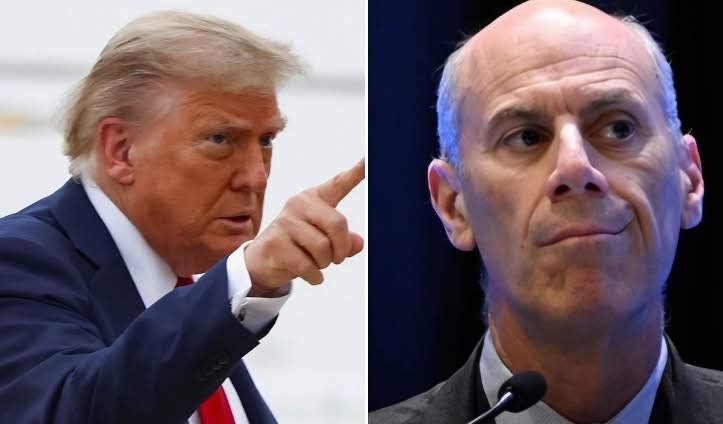
In a significant legal development, the U.S. Supreme Court has overturned a lower court decision made by Judge James Boasberg, marking a major victory for immigration enforcement advocates. The ruling effectively reinstates the deportation of over 300,000 Venezuelan nationals who were previously shielded under Judge Boasberg’s order.
[read more]
The case centered around the Biden administration’s attempt to end protections granted under Temporary Protected Status (TPS) for certain groups of Venezuelan migrants. Judge Boasberg had previously blocked this move, citing humanitarian concerns and potential political instability in Venezuela. His decision, however, faced strong opposition from those arguing it exceeded judicial authority.
The Supreme Court’s decision represents a strong rebuke of what some have labeled as judicial activism. By reversing Boasberg’s ruling, the Court emphasized the executive branch’s authority to set immigration policy, particularly regarding temporary protected status and deportation procedures.
This ruling has significant implications not only for the affected Venezuelan migrants but also for broader immigration policy and the balance of power between federal agencies and the judiciary. It underscores the legal precedent that immigration enforcement decisions largely fall under the purview of the executive branch.
For now, the over 300,000 Venezuelans previously protected from deportation will face removal proceedings unless further legal or political action is taken. The decision marks a pivotal moment in ongoing debates about U.S. immigration policy, border security, and the limits of judicial intervention in executive actions.[/read]