
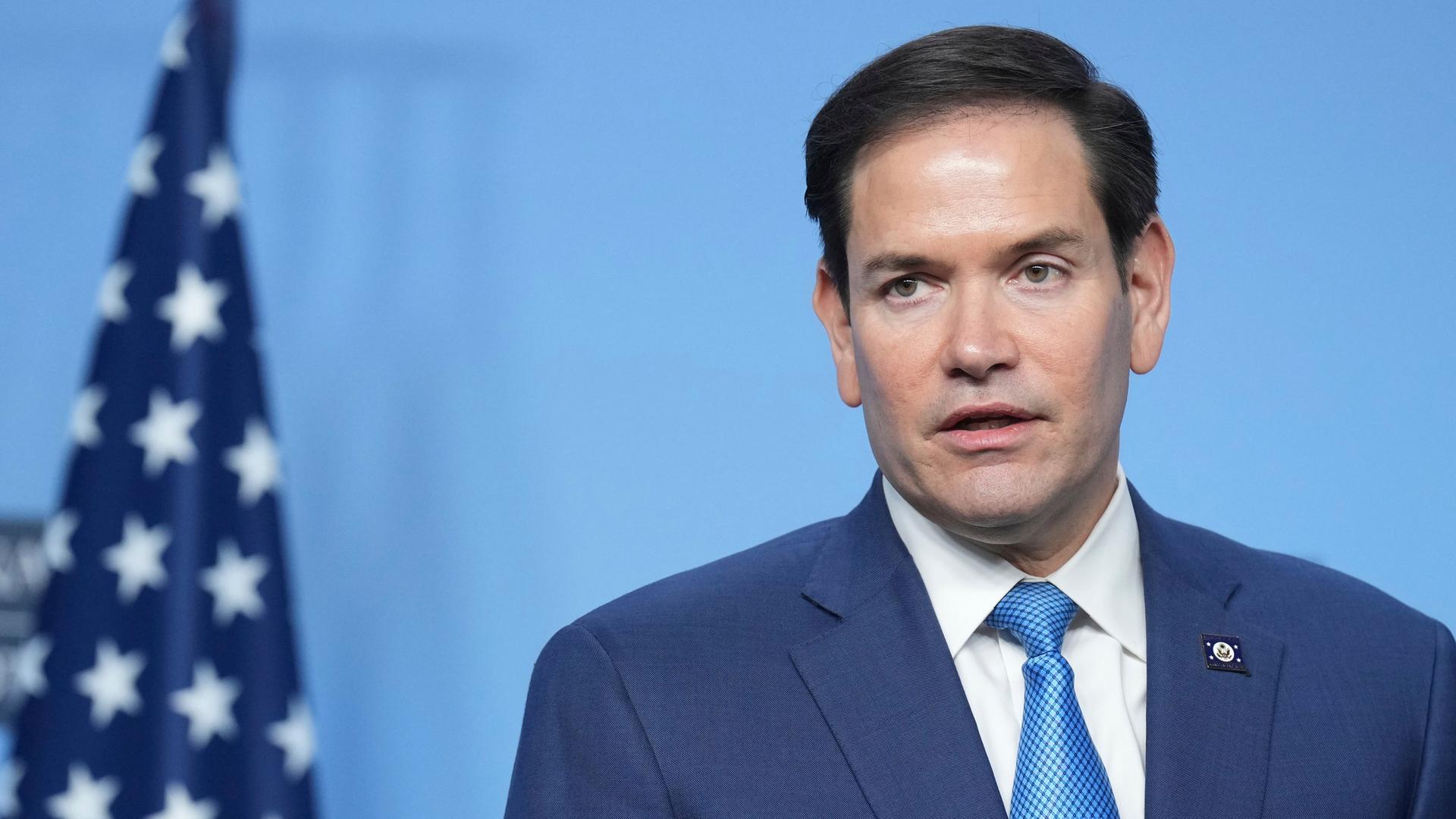
In a recent public statement, Senator Marco Rubio made a clear declaration about the limits of political leadership. He emphasized that he cannot save America on his own. According to Rubio, only a higher power holds that ability.
Rubio pointed directly to his Christian faith as the foundation of his perspective. He rejected any notion that a politician could serve as the nation’s ultimate savior. Instead, he directed attention toward spiritual redemption.
In his own words, Rubio stated: “There’s only one Savior, and it’s not me. It’s Jesus Christ, who came down to Earth and died for our sins.” The remark was delivered with conviction and left little room for misinterpretation.
The comments come at a time when political figures often face expectations to solve deep national challenges. Rubio used the moment to draw a distinction between government action and religious belief. He framed Jesus Christ as the true source of salvation.
Supporters of Rubio have welcomed the statement as an expression of humility and faith. Critics, meanwhile, may view it as a political appeal to religious voters. Regardless of interpretation, the message underscores Rubio’s public identification with Christianity.
The senator’s remarks highlight an ongoing intersection of faith and politics in American public life. By placing Jesus Christ above any earthly leader, Rubio reinforced a longstanding theme in his personal and political messaging.