
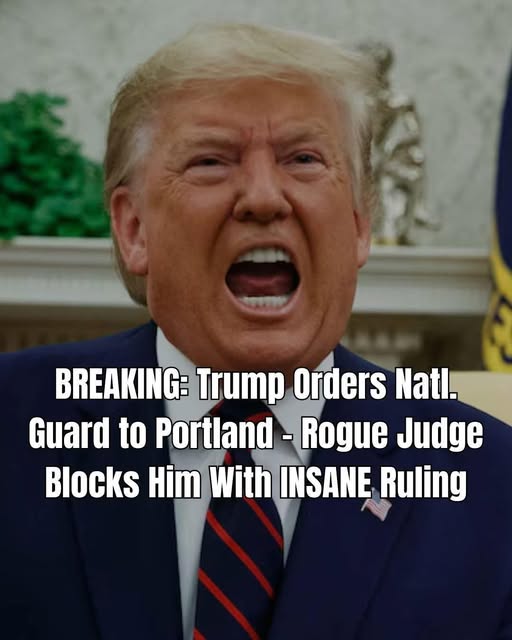
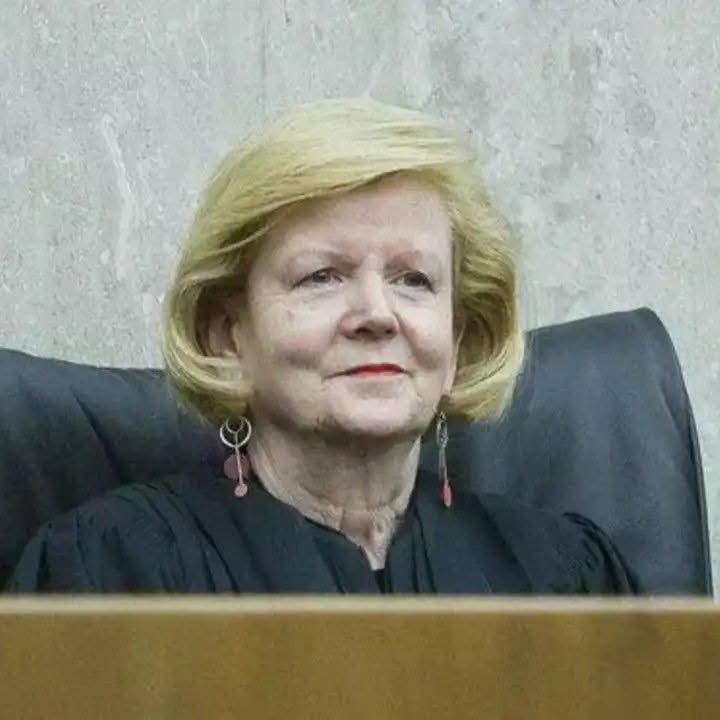
UNREAL: An activist judge has blocked President Trump from ensuring that proof of citizenship is required for federal voter registration. Judge Colleen Kollar-Kotelly, a federal judge appointed by President Bill Clinton, has ruled that the Trump administration cannot implement its plan to require proof of citizenship for voter registration in federal elections.
[read more]
The ruling is a major blow to the Trump administration’s efforts to tighten voter ID laws and ensure that only eligible citizens can vote in federal elections. The move to require proof of citizenship was part of a broader push by the administration to address concerns over voter fraud and ensure the integrity of U.S. elections.
Judge Kollar-Kotelly’s decision effectively blocks states from implementing the requirement, striking down an initiative that would have required voters to provide additional documentation, such as a birth certificate or naturalization papers, when registering to vote in federal elections. Critics of the ruling argue that this decision could leave the door open for potential voter fraud in future elections.
Supporters of the Trump administration’s push for proof of citizenship have expressed their outrage over the decision, claiming that the judge is overstepping her bounds. They argue that requiring proof of citizenship is a common-sense measure to protect the sanctity of elections and ensure that only legal citizens are participating in the voting process.
The ruling is expected to be appealed, as Republican lawmakers and conservative activists continue to push for stricter voter ID laws at both the state and federal levels. The decision has already sparked heated debate, with Democrats and civil rights groups celebrating the judge’s action, claiming that the requirement would disenfranchise many eligible voters, particularly minority communities.
President Trump and his allies have long argued that the current voter registration system is vulnerable to fraud and abuse, and that requiring proof of citizenship is essential to ensuring the integrity of U.S. elections. However, opponents of the policy maintain that it is a thinly veiled attempt to suppress voter participation, especially among immigrant and minority populations.
As the legal battle continues, the broader national conversation about voter rights and election integrity is expected to intensify, with both sides doubling down on their positions. The ruling represents a significant moment in the ongoing fight over the future of voting laws in America, and it remains to be seen what further legal actions will follow.
 [/read]