
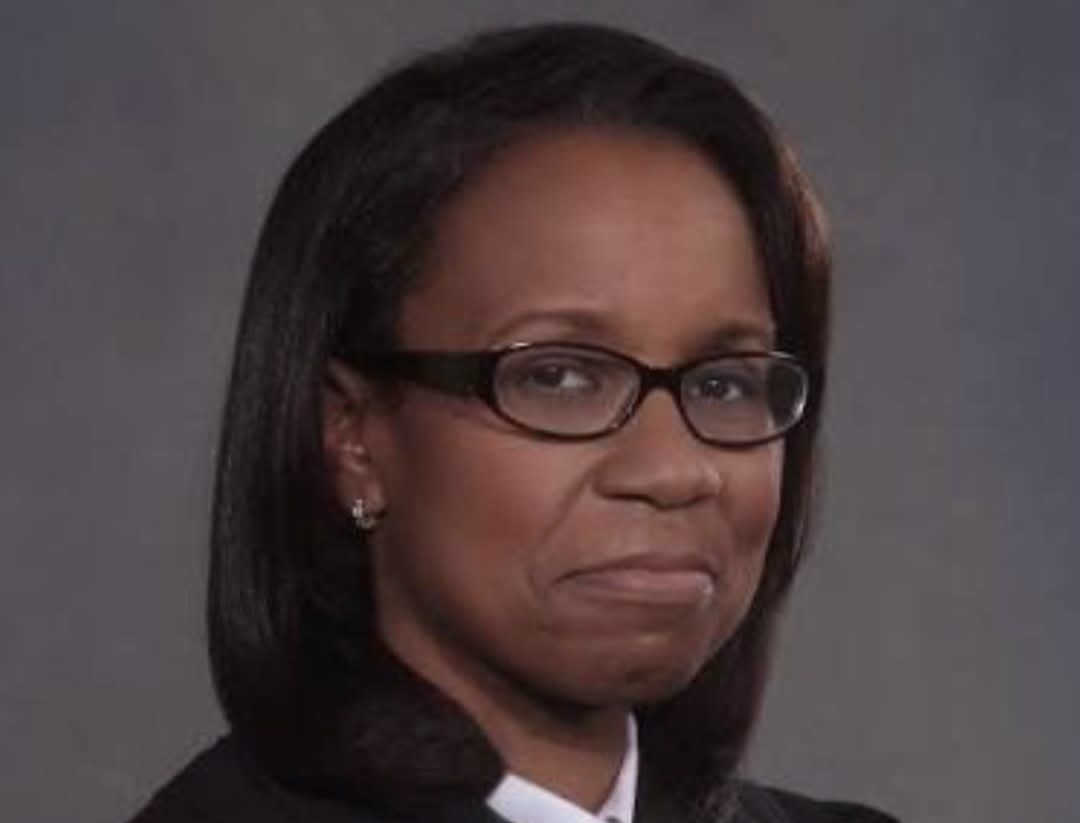
A federal judge just delivered a major blow to one of President Trump’s signature election integrity moves. In a ruling that has already ignited fierce debate, U.S. District Judge Denise Casper in Massachusetts permanently blocked the requirement that Americans show documentary proof of citizenship—such as a passport or birth certificate—when registering or updating voter registration. The decision converts an earlier temporary injunction into a lasting ban and strikes at the heart of Trump’s March 2025 executive order aimed at tightening federal voting rules.
Casper, an Obama appointee and chief judge in the District of Massachusetts, declared the citizenship-proof mandate unconstitutional. She ruled that the president lacked authority under the Constitution and the National Voter Registration Act to impose such a requirement on the federal mail-in voter registration form. The Constitution, she wrote, gives states and Congress primary power over elections—not the executive branch—and Trump’s order improperly crossed that line.
The blocked provision would have forced election officials to demand hard proof of U.S. citizenship rather than relying solely on the existing sworn attestation that appears on registration forms. Supporters of the order argued it was a common-sense safeguard against non-citizen voting. Critics, including Democratic attorneys general from nearly 20 states who brought the lawsuit, claimed it would create new barriers for eligible citizens who lack easy access to passports or birth certificates and could disrupt state registration systems.
In her opinion, Casper found no evidence of the widespread illegal voting the executive order claimed to address. She emphasized that election administration is a complex, coordinated process that requires clear and settled rules, and that unilateral presidential changes risked chaos and disenfranchisement. The ruling also permanently blocked related measures, including an Election Day deadline for receiving mail ballots and threats to withhold federal funds from non-compliant states.
White House officials quickly pushed back, insisting the order was lawful and necessary to restore public confidence in elections. They signaled a likely appeal, setting the stage for higher courts—and potentially the Supreme Court—to decide who ultimately controls the rules of American voting. The decision lands amid ongoing national arguments over voter ID, mail ballots, and election security that show no sign of cooling.
This ruling is more than a technical legal skirmish. It forces a fresh national conversation about citizenship verification, presidential power, and the balance between access and integrity at the ballot box. Whether you see it as a vital protection of voting rights or a setback for election security, the fight is far from over—and every American has a stake in how it ends.