
Oil prices moved lower on Wednesday after President Donald Trump said negotiations with Iran had entered the “final stages,” raising hopes among investors that tensions in the Middle East could ease. Markets responded positively to signs of potential diplomatic progress, which could help stabilize global energy supplies and reduce pressure on fuel markets.
U.S. benchmark West Texas Intermediate crude fell more than 6%, while international benchmark Brent crude also posted significant declines during trading. Energy traders have been closely monitoring developments involving Iran and the Strait of Hormuz, a key shipping route that plays a major role in global oil transportation.
The possibility of a diplomatic breakthrough has increased expectations that disruptions to shipping routes could eventually be reduced. However, analysts caution that uncertainty remains high, as previous periods of optimism have been followed by renewed tensions. Market participants continue to watch negotiations closely for signs of concrete progress.
Despite the decline in oil prices, some financial institutions have warned that energy markets remain vulnerable to supply disruptions. Several analysts believe that prolonged instability in the region could still place upward pressure on crude prices if transportation routes remain restricted or if negotiations stall.
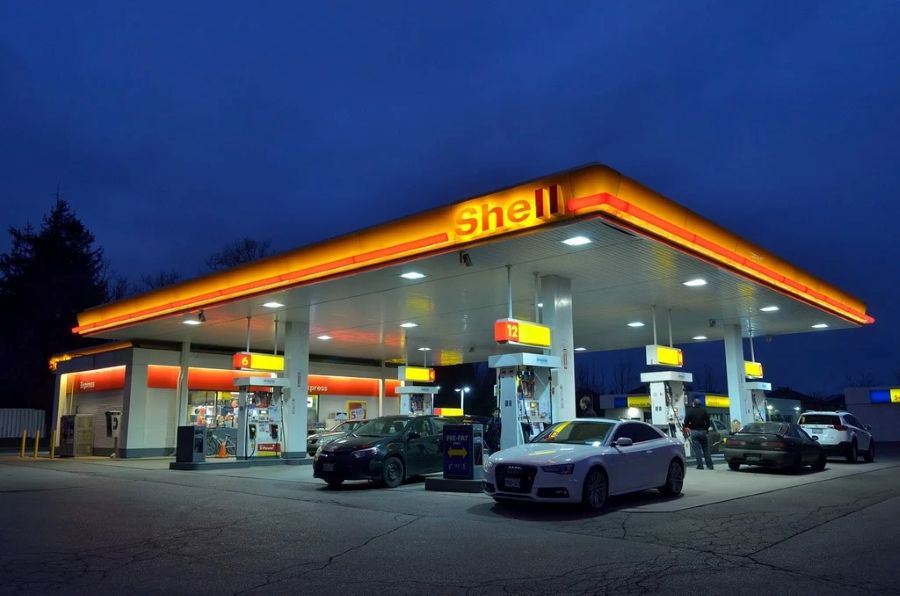
The situation has also affected fuel costs for American consumers. According to recent data from AAA, the national average price for a gallon of regular gasoline was approximately $4.22 on June 5, down slightly from about $4.24 on June 4, continuing a recent downward trend at the pump. Fuel prices have eased as crude oil prices remain below recent highs, although experts say future price movements will depend heavily on developments in global energy markets.
For now, investors appear encouraged by signs of diplomatic engagement between Washington and Tehran. Whether oil and gasoline prices continue to decline will likely depend on the outcome of ongoing negotiations and the future stability of energy transportation routes in the region. Market analysts expect volatility to remain elevated until a clearer resolution emerges.