
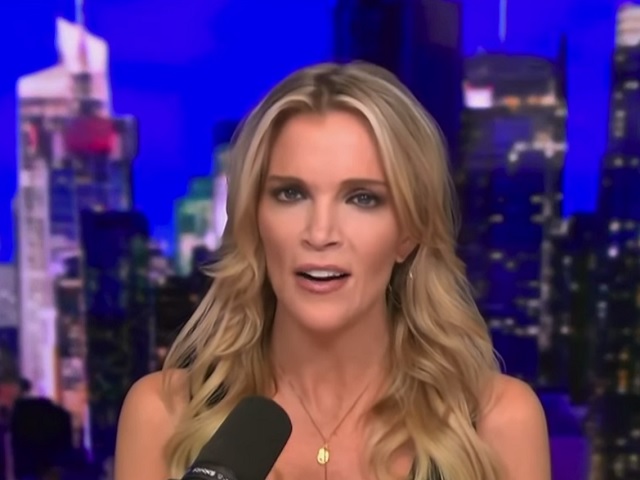
A public feud has erupted between former Fox News personalities Megyn Kelly and Mark Levin, a well-known constitutional expert, following a heated exchange on social media. The dispute began after Levin criticized Kelly for sharing a post about the tragic loss of family members tied to a recent bombing incident in Michigan, calling her actions “irresponsible” and “inappropriate.”
Kelly had shared a post highlighting the personal toll of the conflict, prompting Levin to sharply condemn her amplification of the content. Levin’s strong reaction sparked a series of online back-and-forths that quickly drew attention across platforms, highlighting divisions among prominent conservative figures.
The disagreement reflects broader tensions within conservative circles over topics such as U.S. foreign policy in the Middle East, including Israel and Iran, as well as differing stances on media personalities like Tucker Carlson and Candace Owens. Kelly has expressed critical views on U.S. and Israeli military actions, while Levin has been vocal in his support for both traditional conservative stances and figures in the movement.
Levin publicly described Kelly’s online activity as unprofessional and counterproductive, accusing her of undermining meaningful dialogue on sensitive issues. Kelly responded by defending her decision to share the post and highlighting the intensity of online scrutiny she faces, emphasizing that her critiques are grounded in concern rather than personal attacks.
The conflict has drawn attention from other conservative commentators, including Daily Wire’s Ben Shapiro, who has tried to clarify ideological differences while maintaining focus on broader debates over loyalty and foreign policy positions. Shapiro specifically addressed disagreements related to figures like Owens, further illustrating the fracturing perspectives within the movement.
Kelly has maintained that she will not be pressured into public denunciations of her peers and continues to voice skepticism regarding certain foreign policy actions. The ongoing dispute signals a larger discussion among conservative media personalities and political commentators about the boundaries of public debate and the role of personal beliefs in shaping commentary.